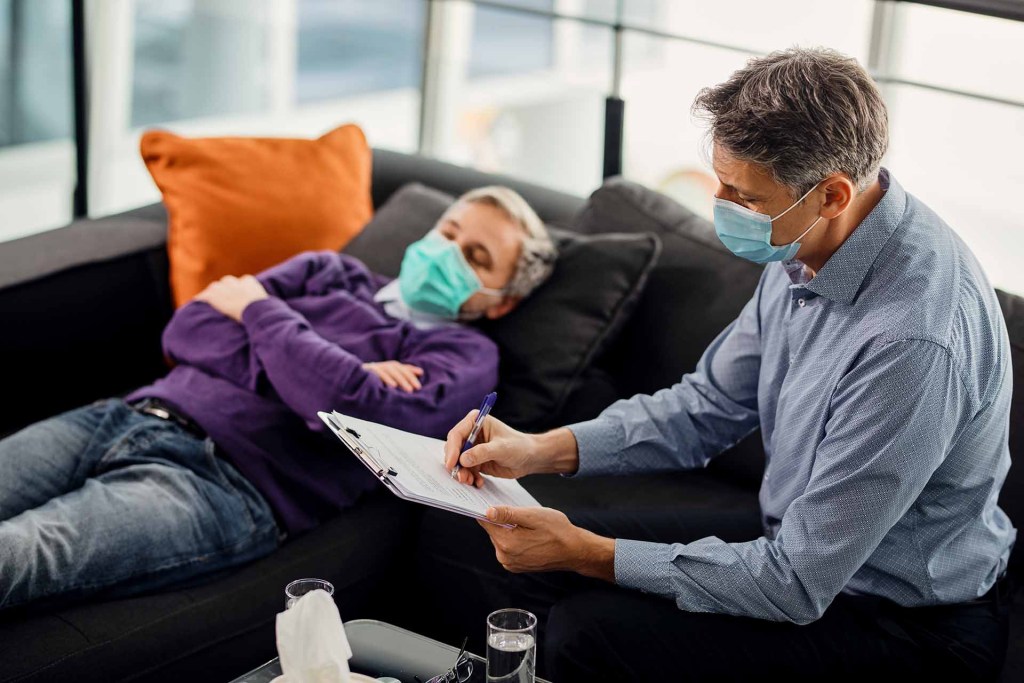
Completing intensive treatment marks a significant milestone in your journey toward recovery from addiction. However, it’s just the beginning of a new phase – transitioning to outpatient services. At Sonas Wellness and Recovery in Costa Mesa, CA, we understand the importance of this transition and are committed to providing you with the support and resources you need for long-term sobriety.
Understanding IOP and OP
- Intensive Treatment: Inpatient rehabilitation involves residing in a treatment facility for a designated period. It focuses on intensive therapy, medical supervision, and structured activities to address addiction and its underlying causes.
- Outpatient Services: Outpatient services provide more flexible care. Patients attend therapy sessions, support groups, and counseling sessions while residing in their own homes or transitional housing, allowing for gradual reintegration into daily life.
What to Expect During the Transition
- Personalized Care Plans: Your transition to outpatient services begins with the development of a personalized care plan. This plan is tailored to your unique needs, goals, and challenges, ensuring you receive the support necessary for sustained recovery.
- Continued Therapy: Outpatient services include regular therapy sessions with experienced counselors and addiction specialists. These sessions provide a space to explore emotions, address triggers, and develop coping strategies.
- Supportive Environment: Transitioning to outpatient services doesn’t mean you’re alone. Our team at Sonas Wellness provides a supportive environment where you can thrive. Whether you need encouragement, guidance, or a listening ear, we’re here for you.
- Community Integration: Engaging with a sober community is crucial for long-term sobriety. Our outpatient services offer opportunities to connect with others who understand your journey, fostering a sense of belonging and accountability.
- Flexibility: Life doesn’t pause during recovery. Our outpatient services offer flexibility, allowing you to attend sessions at times that suit your schedule, whether it’s during the day, evening, or weekends.
Your Role in the Transition Process
- Commitment to Recovery: Transitioning to outpatient services requires dedication to your recovery journey. Embrace the tools and strategies you’ve learned during intensive treatment and remain open to growth and change.
- Active Participation: Take an active role in your treatment by attending scheduled sessions, actively participating in therapy, and engaging with support groups. Your involvement is crucial for long-term sobriety.
- Honesty and Openness: Be honest with yourself and your treatment team about your thoughts, feelings, and challenges. Open communication fosters trust and allows us to tailor your treatment plan to meet your needs.
- Self-Care: Prioritize self-care as you transition to outpatient services. This includes practicing healthy habits, setting boundaries, and engaging in activities that promote wellness and self-discovery.
- Celebrating Milestones: Celebrate your progress, no matter how small. Each milestone is a testament to your strength and resilience. Recognize your achievements and use them as motivation to continue moving forward.
Call Sonas Recovery Today!
Ready to take the next step towards lasting recovery? Contact Sonas Wellness and Recovery at 877-814-2175 to learn more about our outpatient services and begin your journey towards sobriety today.
FAQs
How long does the transition to outpatient services typically take?
The duration varies depending on individual needs and progress. Our team will work with you to determine the most appropriate timeline for your transition.
Will I still receive support after completing outpatient services?
Absolutely. We offer aftercare programs and ongoing support to help you maintain long-term sobriety.
Are family members involved in the outpatient treatment process?
Family involvement is encouraged. We offer family therapy sessions and educational resources to support your loved ones throughout your recovery journey.
What happens if I experience a relapse during outpatient treatment?
Relapse is a common part of the recovery process, and our team is equipped to help you navigate this challenge with compassion and support.
Can I continue working or attending school while in outpatient treatment?
Yes, our outpatient services are designed to accommodate your daily commitments with flexible scheduling options.